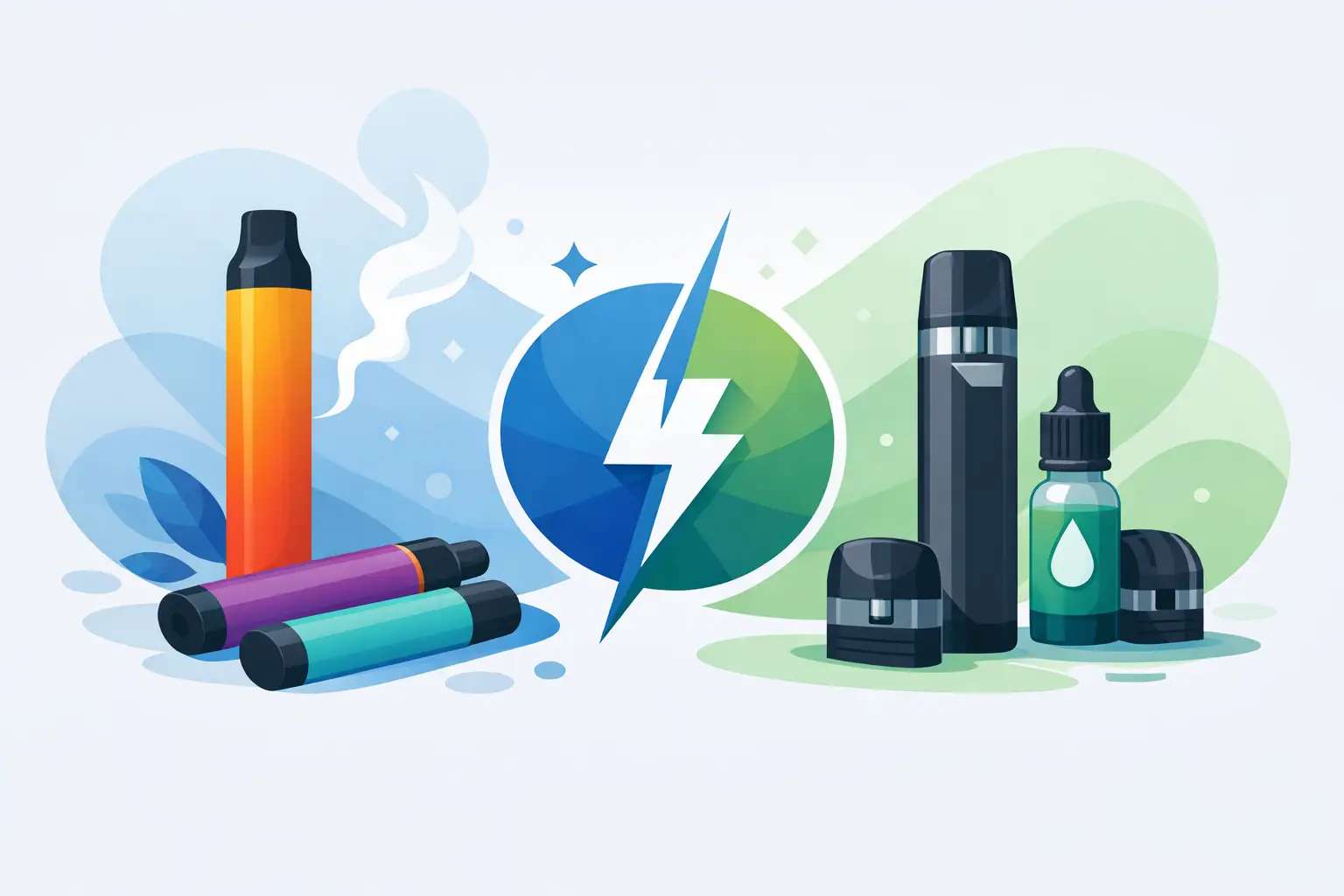
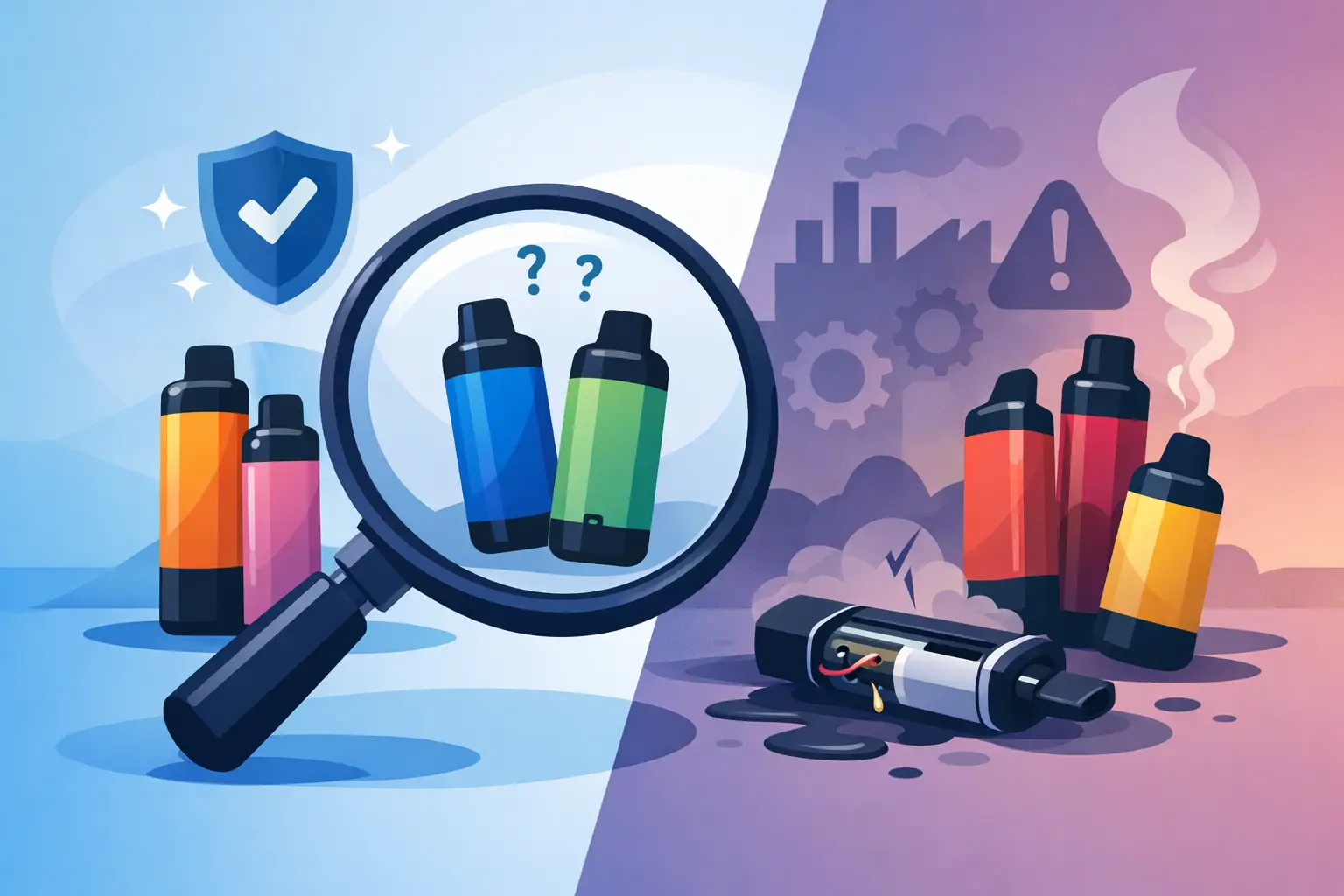
Disposable pod vapes sold under brand names like Geek Bar have become a ubiquitous part of the modern vaping market. Compact, flavored, and easy to use, they appeal to a wide range of people — from former cigarette smokers seeking alternatives to never-smokers, including adolescents. But simplicity and popularity don’t answer the central question: are Geek Bars bad for you? This article breaks the topic down with evidence-based explanations, practical insights, and balanced guidance so you can make an informed decision.
When people ask whether Geek Bars are “bad,” they usually mean one or more of the following: do they cause short- or long-term health harm, are they addictive, do they pose acute safety risks (battery/fires or poisoning), and do they create public-health problems (eg, youth uptake and environmental waste)? Short answer: Geek Bars are not risk-free.
They contain nicotine and other inhaled substances that can pose acute and chronic risks, particularly for young people, pregnant people, and those with certain medical conditions. They may be less harmful than continuing to smoke combustible cigarettes for adult smokers who fully switch, but they are not harmless devices.
What’s inside a Geek Bar
Understanding risk starts with ingredients and design:
- Nicotine: Geek Bars are prefilled with nicotine salts at relatively high concentrations. Nicotine is a psychoactive, addictive stimulant that affects the developing brain and has cardiovascular and metabolic effects.
- Propylene glycol & vegetable glycerin (PG/VG): These are common solvent carriers in e-liquid. When heated, they create aerosol but can also produce thermal degradation products.
- Flavoring chemicals: Fruit, dessert, and menthol flavorants are a major driver of appeal. Many are approved for ingestion but not for inhalation; some flavoring compounds can irritate airway tissue or have unknown long-term inhalation effects.
- Trace contaminants & metals: Heating elements and device components can release ultrafine particles and trace metals (eg, nickel, chromium) into the aerosol.
- Battery & electronics: A lithium-ion battery, often compact and sealed. Battery failure or misuse can cause fires or burns, though such events are relatively uncommon.
Each component influences short-term symptoms (throat/eye irritation, cough, dizziness) and potential longer-term consequences (cardiopulmonary changes, nicotine dependence).
Nicotine addiction and brain effects
Nicotine is the dominant health concern with disposable vapes:
- Addiction potential: Nicotine salts enable efficient nicotine delivery and rapid blood-brain uptake. This raises the risk of dependence, especially with frequent puffing.
- Developing brains: Adolescents and young adults are particularly vulnerable. Nicotine exposure during brain development can impair attention, learning, and impulse control.
- Cardiovascular influence: Nicotine can increase heart rate and blood pressure transiently and may contribute to long-term cardiovascular risk when exposure is sustained.
For adult smokers unable or unwilling to quit by other means, vaping can be a harm-reduction tool if it leads to complete cigarette cessation. But for non-smokers, initiation introduces avoidable risks.
Respiratory and systemic health: what we know
Vaping research is active and evolving. Key points:
- Acute respiratory effects: People commonly report throat irritation, cough, chest tightness, and shortness of breath after vaping. Rarely, severe lung injury syndromes have been linked to vaping-related exposures.
- Inflammation and immune effects: Inhaled aerosol can trigger airway inflammation and alter innate immune responses in the lungs, which may affect infection susceptibility and chronic airway health.
- Long-term outcomes: High-quality long-term epidemiological data are limited because widespread vaping is a relatively recent phenomenon. There is concern about chronic bronchitic symptoms and potential cardiovascular outcomes over decades of use.
Bottom line: inhaling heated liquids into the lungs is not benign — the absence of combustion removes many toxicants found in cigarette smoke, but new risks emerge.
Acute safety hazards: battery failures and nicotine poisoning
Two practical safety concerns deserve attention:
- Battery/fire risk: Poorly manufactured or damaged lithium batteries can overheat or rupture. While rare with mainstream, brand-name disposables, improper storage (high heat, puncture) increases risk.
- Nicotine toxicity: Accidental ingestion of e-liquid (or prolonged skin contact with concentrated liquid) can cause nausea, vomiting, dizziness, and in severe cases, seizures. Disposable devices reduce handling of loose liquid but are not immune from leaks or tampering.
Handle devices per manufacturer instructions, keep them away from children and pets, and dispose of them responsibly.
Youth uptake and public-health consequences
Disposable vapes such as Geek Bar have contributed to rising vape experimentation among adolescents:
- Appeal: Flavor variety, low-effort use, and discreet form factors increase youth attractiveness.
- Gateway concerns: While evidence about a causal “gateway” to smoking remains debated, nicotine dependence in youth is a clear negative outcome; even brief exposure can lead to ongoing use.
- Population impact: If vaping replaces cigarettes among adults who would otherwise smoke, population health could improve. But if vaping primarily attracts non-smoking youth or sustains dual use (vaping + smoking), net public-health benefit is questionable.
This mixed picture is why many public-health bodies emphasize restricting youth access and marketing.
Environmental and disposal issues
Disposable vapes create material-waste challenges:
- E-waste & batteries: These devices contain lithium batteries and plastics that are not widely recycled through household streams.
- Chemical leakage: Improper disposal can release residual nicotine and metals into the environment.
Choosing rechargeable, reusable systems with proper battery-recycling programs reduces environmental impact compared with single-use disposables.
Practical guidance
Who should avoid Geek Bars entirely:
- Adolescents and young adults,
- Pregnant or breastfeeding people,
- Never-smokers and people with certain heart or lung diseases.
If an adult smoker is considering a Geek Bar as a cigarette alternative:
- Goal: aim for complete substitution of combustible cigarettes, not dual use.
- Consultation: discuss with a clinician or tobacco-cessation specialist to develop a personalized plan and access FDA-approved pharmacotherapies.
- Product choice: prefer regulated products, know nicotine concentration, and follow safe battery and charging practices.
- Quit plan: integrate behavioral support and set a timeline to taper or quit nicotine if possible.
Conclusion
While Geek Bars offer convenience and flavorful vaping, they are not without risks—especially for non-smokers, young users, and individuals sensitive to nicotine. Understanding the ingredients, potential health impacts, and responsible usage is essential for making an informed choice.
For those who choose to vape, selecting reputable retailers is equally important. Krispe Grocery & Smoke Shop provides high-quality, authentic products and knowledgeable service to help customers make safer, more confident decisions. Whether you’re exploring alternatives or simply looking for trusted options, Krispe Grocery & Smoke Shop remains a reliable destination for your vaping needs.
Frequently asked questions
Are Geek Bars safer than cigarettes?
They likely expose users to fewer combustion-related toxicants than cigarettes, but they still deliver nicotine and inhaled chemicals that carry health risks.
Can Geek Bars help people quit smoking?
Some smokers use vaping to quit; the best outcomes combine complete switching with behavioral support. However, many end up dual-using, which reduces potential benefits.
Is secondhand aerosol dangerous?
Secondhand aerosol contains nicotine and particulates; it is less concentrated than cigarette smoke but not entirely benign—avoid exposing children and pregnant people.